300x250 AD TOP

Search This Blog

Powered by Blogger.

Blog Archive

indiantourguide2024

Indian unique information

Amazing Gags

Buland Darwaza (history )

Buland Darwaza Buland Darwaza: The "Gate of Magnificence," as it is sometimes called, is a magnificent gateway that greets visitor...

Recent Posts

Monday, 21 August 2023

Tagged under:

Lord Hanuman Wife

Lord Hanuman Wife, Marriage and their Temple 

The tale of Lord Hanuman ji's marriage and the construction of the Temple of Lord Hanuman's wife. 

(भगवान हनुमान जी के विवाह और भगवान हनुमान की पत्नी के मंदिर के निर्माण की कथा।)


 Lord Hanuman's Wife:


Story of Hanuman's wife and the Marriage of Lord Hanuman
 (हनुमान की पत्नी और भगवान हनुमान के विवाह की कहानी)

Hanuman wed Suvarchala Devi, daughter of the Sun God, and they raised a large family. Despite this, Hanuman did eventually settle down and start a family.

हनुमान ने सूर्य देव की पुत्री सुवर्चला देवी से विवाह किया और उन्होंने एक बड़े परिवार का पालन-पोषण किया। इसके बावजूद, हनुमान अंततः घर बस गए और एक परिवार शुरू किया।

As a Guru Dakshina, Lord Hanuman wed Suvarchala against his will. Lord Son gave orders to Hanuman, the monkey king. Hanuman ji was learning from his master, the Sun God, how to navigate the earth.

गुरु दक्षिणा के रूप में, भगवान हनुमान ने सुवर्चला से उसकी इच्छा के विरुद्ध विवाह किया। भगवान पुत्र ने वानरराज हनुमान को आदेश दिया। हनुमान जी अपने गुरु सूर्य देव से सीख रहे थे कि पृथ्वी पर कैसे चलना है।

Hanuman ji had to accompany Lord Sun's chariot throughout each day's journey since the Sun could not stop. In return, Hanuman ji will learn much from the Lord Sun. Yet even as Hanuman ji proceeded to soak up every last bit of knowledge, a problem arose before the sun one day.

चूँकि सूर्य रुक नहीं सकते थे इसलिए हनुमान जी को प्रत्येक दिन की यात्रा में भगवान सूर्य के रथ के साथ चलना पड़ता था। बदले में, हनुमान जी भगवान सूर्य से बहुत कुछ सीखेंगे। फिर भी जब हनुमान जी ज्ञान के हर टुकड़े को आत्मसात करने के लिए आगे बढ़े, तो एक दिन सूर्य के सामने एक समस्या खड़ी हो गई।


Lord Hanuman Marriage Announcement:

Five of the seven types of knowledge (lore) were taught and transmitted to Hanuman from his teacher (God Sun), while the other two types (lore) were of a character that could only be taught to a married individual. Hanuman ji assured him that he would be given every opportunity to advance his education.

भगवान हनुमान विवाह की घोषणा:
 
सात प्रकार के ज्ञान (विद्या) में से पांच को हनुमान को उनके शिक्षक (भगवान सूर्य) से सिखाया और प्रसारित किया गया था, जबकि अन्य दो प्रकार (विद्या) ऐसे चरित्र के थे जिन्हें केवल एक विवाहित व्यक्ति को ही सिखाया जा सकता था। हनुमान जी ने उन्हें आश्वासन दिया कि उन्हें अपनी शिक्षा को आगे बढ़ाने का हर अवसर दिया जाएगा।

God Sun, has run into trouble. To make matters worse, the Sun God told Hanuman ji that he would no longer be able to further his study until after he got married. The issue became complicated for Lord Hanuman whenhe vowed to be celibate for the remainder of his life. 

भगवान सूर्य संकट में पड़ गए हैं। मामले को और भी बदतर बनाने के लिए, सूर्य देव ने हनुमान जी से कहा कि जब तक उनकी शादी नहीं हो जाती, तब तक वह अपनी पढ़ाई आगे नहीं बढ़ा पाएंगे। भगवान हनुमान के लिए मामला तब जटिल हो गया जब उन्होंने जीवन भर ब्रह्मचारी रहने की शपथ ली।

As Hanuman ji consulted the Sun God, the Sun God suggested that he marry his daughter Suvarchala. Hanuman ji agreed to get married so that he might fulfill the conditions of his vow.

जैसे ही हनुमान जी ने सूर्य देव से परामर्श किया, सूर्य देव ने उन्हें अपनी बेटी सुवर्चला से विवाह करने का सुझाव दिया। हनुमान जी विवाह के लिए राजी हो गये ताकि वे अपनी प्रतिज्ञा की शर्तों को पूरा कर सकें।


What is the story behind Suvarchala, the wife of Lord Hanuman?

(भगवान हनुमान की पत्नी सुवर्चला के पीछे की कहानी क्या है?)


Tapaswini was actually Suvarchala. Surya Dev was getting his extremely religious daughter Suvarchala ready to wed Hanuman ji.

तपस्विनी वास्तव में सुवर्चला थी। सूर्य देव अपनी अत्यंत धार्मिक पुत्री सुवर्चला को हनुमान जी से विवाह के लिए तैयार कर रहे थे।

Suvarchala Devi returned to her temple and began a life of penance after her marriage to Hanuman Ji. This meant that Hanuman ji could finally tie the knot, as the fast of Brahmachari was not broken.

हनुमान जी से विवाह के बाद सुवर्चला देवी अपने मंदिर लौट आईं और तपस्या का जीवन शुरू कर दिया। इसका मतलब यह था कि हनुमान जी अंततः विवाह बंधन में बंध सकते थे, क्योंकि ब्रह्मचारी का व्रत नहीं टूटा था।

The Parashar Samhita also describes Hanuman Ji's wedding. After this, Hanuman ji completed his schooling, and Suvarchala dedicated the remainder of his life to penance. Hanuman ji has opted to remain celibate throughout his life despite the fact that he was offered a marriage alliance.

पाराशर संहिता में भी हनुमान जी के विवाह का वर्णन है। इसके बाद हनुमान जी ने अपनी स्कूली शिक्षा पूरी की और सुवर्चला ने अपना शेष जीवन तपस्या को समर्पित कर दिया। इस तथ्य के बावजूद कि उन्हें विवाह का प्रस्ताव दिया गया था, हनुमान जी ने जीवन भर ब्रह्मचारी रहने का विकल्प चुना है।


 This temple situated in Telangana

यह मंदिर तेलंगाना में स्थित है

Hanuman ji and his wife Survachala are worshiped in Khammam district of Telangana. This old temple built here has been the center of attraction for people for years. Local people celebrate the marriage of Hanuman ji on Jyeshtha Shuddha Dashami. However, this is no less than a surprise for the people living in North India. Because Hanuman ji is considered a child celibate. Let us know what is the secret of their marriage.


तेलंगाना के खम्मम जिले में हनुमान जी और उनकी पत्नी सुर्वचला की पूजा होती है। यहां पर बना यह पुराना मंदिर सालों से लोगों के आकर्षण का केंद्र रहा है। स्थानीय लोग ज्येष् शुद्ध दशमी को हनुमान जी के विवाह को सेलीब्रेट करते हैं। हालांकि उत्तर भारत में रहने वाले लोगों के लिए यह किसी आश्चर्य से कम नहीं है। क्योंकि हनुमान जी को बाल ब्रह्मचारी माना जाता है। आइए जानते हैं क्या है उनकी शादी का राज।
 

Why did the marriage take place?
क्यों हुई थी शादी?

Lord Hanuman considered the Sun God as his guru. Sun God had 9 divine knowledge. Bajrang Bali wanted to acquire the knowledge of all these sciences. Surya Dev gave the knowledge of 5 out of these 9 Vidyas to Hanumanji, but for the remaining 4 Vidyas, a problem arose before Surya. The knowledge of the remaining 4 divine sciences could be given only to those disciples who were married. Hanumanji was a child celibate, due to which Sun God was unable to give him the knowledge of the remaining four sciences. To solve this problem, Surya Dev asked Hanumanji to marry him. At first Hanumanji did not agree to the marriage, but he had to gain knowledge of the remaining 4 Vidyas. For this reason Hanumanji said yes to the marriage.


भगवान हनुमान सूर्य देवता को अपना गुरु मानते थे। सूर्य देव के पास 9 दिव्य विद्याएं थीं। इन सभी विद्याओं का ज्ञान बजरंग बली प्राप्त करना चाहते थे। सूर्य देव ने इन 9 में से 5 विद्याओं का ज्ञान तो हनुमानजी को दे दिया, लेकिन शेष 4 विद्याओं के लिए सूर्य के समक्ष एक संकट खड़ा हो गया। शेष 4 दिव्य विद्याओं का ज्ञान सिर्फ उन्हीं शिष्यों को दिया जा सकता था जो विवाहित हों। हनुमानजी बाल ब्रह्मचारी थे, इस कारण सूर्य देव उन्हें शेष चार विद्याओं का ज्ञान देने में असमर्थ हो गए। इस समस्या के निराकरण के लिए सूर्य देव ने हनुमानजी से विवाह करने की बात कही। पहले तो हनुमानजी विवाह के लिए राजी नहीं हुए, लेकिन उन्हें शेष 4 विद्याओं का ज्ञान पाना ही था। इस कारण हनुमानजी ने विवाह के लिए हां कर दी।


Monday, 14 August 2023

Tagged under:

TAJ MAHAL FULL INFORMATION.

 TAJ MAHAL HISTORY EXPLAIN ENGLISH AND HINDI ALSO


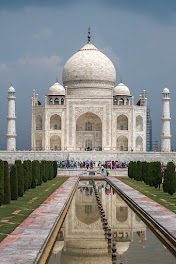
The Taj Mahal is an ivory-white marble mausoleum on the south bank of the Yamuna river in the Indian city of Agra. It was commissioned in 1632 by the Mughal emperor, Shah Jahan (reigned from 1628 to 1658), to house the tomb of his favourite wife, Mumtaz Mahal. The tomb is the centrepiece of a 17-hectare (42-acre)complex, which includes a mosque and a guest house, and is set in formal gardens bounded on three sides by a crenellated wall.


ताजमहल भारतीय शहर आगरा में यमुना नदी के दक्षिण तट पर एक हाथीदांत-सफेद संगमरमर का मकबरा है। इसे 1632 में मुगल सम्राट शाहजहां (1628 से 1658 तक शासन किया गया) द्वारा अपनी पसंदीदा पत्नी मुमताज महल की मकबरे के लिए शुरू किया गया था। मकबरा 17-हेक्टेयर (42 एकड़) परिसर का केंद्रबिंदु है, जिसमें एक मस्जिद और एक गेस्ट हाउस शामिल है, और इसे तीन तरफ एक अनियंत्रित दीवार से घिरा औपचारिक उद्यान में स्थापित किया गया है।


YAMUNA RIVER


A river that runs through the northern Indian state of Uttar Pradesh has risen to lap the compound walls of the iconic Taj Mahal in Agra city, causing concern about damage to the 17th-century white marble monument. The water level of the Yamuna River has increased over the last few days after unusually heavy rain in northern India, including Uttar Pradesh, which has received 108 percent of its normal rainfall since the four-month monsoon season began on June 1.


यमुना नदी


उत्तर भारतीय राज्य उत्तर प्रदेश से होकर बहने वाली एक नदी आगरा शहर में प्रतिष्ठित ताज महल की परिसर की दीवारों को छूने के लिए बढ़ गई है, जिससे 17 वीं शताब्दी के सफेद संगमरमर के स्मारक को नुकसान होने की चिंता पैदा हो गई है। उत्तर प्रदेश सहित उत्तर भारत में असामान्य रूप से भारी बारिश के बाद पिछले कुछ दिनों में यमुना नदी का जल स्तर बढ़ गया है, जहां 1 जून को चार महीने का मानसून सीजन शुरू होने के बाद से सामान्य वर्षा का 108 प्रतिशत प्राप्त हुआ है।


Cost of tajmahal 


construction of the mausoleum was essentially completed in 1643 but work continued on other phases of the project for another 10 years. The Taj Mahal complex is believed to have been completed in its entirety in 1653 at a cost estimated at the time to be around 32 million rupees, which in 2015 would be approximately 52.8 billion rupees (U.S. $827 million). The construction project employed some 20,000 artisans under the guidance of a board of architects led by the court architect to the emperor, Ustad Ahmad Lahauri.


ताजमहल की कीमत


मकबरे का निर्माण अनिवार्य रूप से 1643 में पूरा हो गया था लेकिन परियोजना के अन्य चरणों पर अगले 10 वर्षों तक काम जारी रहा। ऐसा माना जाता है कि ताज महल परिसर पूरी तरह से 1653 में पूरा हुआ था, उस समय अनुमानित लागत लगभग 32 मिलियन रुपये थी, जो 2015 में लगभग 52.8 बिलियन रुपये (यू.एस. 827 मिलियन) होगी। निर्माण परियोजना में सम्राट के दरबारी वास्तुकार उस्ताद अहमद लाहौरी के नेतृत्व में वास्तुकारों के एक बोर्ड के मार्गदर्शन में लगभग 20,000 कारीगरों को नियुक्त किया गया था।


taj Mahal


Location

AGRA ,uttar pradesh, India


Area

17 hectares (42 acres)


Height

73 m (240 ft)


Built

1631–1653


Built for

Mumtaj mahal


Architect

Ustad Ahmad Lahori


Mumtaj Mahal

(biography)


Mumtaz Mahal was the inspiration behind the construction of one of the most beautiful symbols of love, the Taj Mahal. She was born Arjumand Bano Begum in April 1593 in Agra. She was essentially a Persian and a devout Muslim. Shah Jahan fell in love with her at the first sight and he was hell bent on marrying her. After capturing the throne, Shah Jahan became the fifth Mughal emperor and immediately married her. Though a biography of Mumtaz Mahal does not quite exist, we try to provide some elements of Mumtaj Mahal life history.


It is said that her beauty was unparalleled. She had smooth and flawless milky white skin and was the object of poetry for many poets in the court of Shah Jahan. She proved to be a loving and caring wife to her husband. Though she was the second wife, she was his favourite. She accompanied him on his hunting expeditions and took part in all court proceedings, providing him with sound advice and encouraging him to perform acts of charity and compassion.


मुमताज महल (जीवनी)


प्यार के सबसे खूबसूरत प्रतीकों में से एक, ताज महल के निर्माण के पीछे मुमताज महल की प्रेरणा थी। उनका जन्म अप्रैल 1593 में आगरा में अर्जुमंद बानो बेगम के रूप में हुआ था। वह मूलतः एक फ़ारसी और कट्टर मुस्लिम थी। शाहजहाँ को पहली ही नज़र में उससे प्यार हो गया और वह उससे शादी करने पर तुला हुआ था। सिंहासन पर कब्ज़ा करने के बाद, शाहजहाँ पाँचवाँ मुग़ल सम्राट बन गया और उसने तुरंत उससे शादी कर ली। हालाँकि मुमताज महल की कोई जीवनी मौजूद नहीं है, हम मुमताज महल के जीवन इतिहास के कुछ तत्व प्रदान करने का प्रयास करते हैं। कहा जाता है कि उनकी खूबसूरती बेमिसाल थी. उसकी चिकनी और बेदाग दूधिया सफेद त्वचा थी और वह शाहजहाँ के दरबार में कई कवियों के लिए कविता का विषय थी। वह अपने पति के लिए एक प्यारी और देखभाल करने वाली पत्नी साबित हुई। हालाँकि वह दूसरी पत्नी थी, फिर भी वह उसकी पसंदीदा थी। वह उसके शिकार अभियानों में उसके साथ जाती थी और सभी अदालती कार्यवाहियों में भाग लेती थी, उसे अच्छी सलाह देती थी और उसे दान और करुणा के कार्य करने के लिए प्रोत्साहित करती थी।


Thursday, 10 August 2023

Tagged under:

Information and History Of India Gate From (Delhi)

 INDIA GATE -:

About India Gate


This magnificent structure was constructed by the Imperial War Graves Commission aka IWCG. The monument was designed by a renowned English architect named Sir Edwin Lutyens and its foundation was laid on 10 February 1921 by the Duke of Connaught, the third son of Victoria. At the centre of New Delhi stands the 42 m high India Gate, an “Arc-de-Triomphe” like archway in the middle of a crossroad. Almost similar to its French counterpart, it commemorates the 70,000 Indian soldiers who lost their lives fighting for the British Army during the World War.

 The memorial bears the names of more than 13,516 British and Indian soldiers killed in the Northwestern Frontier in the Afghan war of 1919.

The names of over 13,000 soldiers who lost their lives during the war are also inscribed on the memorial. In honor of the soldiers who laid down their lives in the Indo-Pakistani War of 1971, a replacement structure was added to the India Gate in 1972. Known as Amar Jawan Jyoti (meaning Flame of the Immortal Soldier), it was inaugurated by Gandhi, the then Prime Minister of India.

Architecture of India Gate

Sir Edwin Lutyens, who designed the India Gate, was the number one war memorial architect and also a member of the IWGC. He built it as a secular monument free from any religious association or cultural ornamentation.

The entire structure is built using yellow and red sandstone which was brought directly from Bharatpur. Situated in the middle of a hexagonal complex, the structure is 42 meters long and 9.1 meters wide.

Interesting facts about India Gate

  1. Every evening, this imposing structure is lit up with spotlights, making it one of the top tourist attractions to visit in Delhi during nights.
  2. The huge lawns surrounding the gate are a favorite spot for people to enjoy basket picnics, play cricket or indulge in kite flying.
  3. The Children’s Park located near the gate is a great place to spend some time with your kids.
  4. Rajpath, the boulevard on which the monument is located, is where many people, both young and old, come for early morning walks.
  5. Within a kilometer of India Gate, you will find Andhra Bhavan, one of the iconic restaurants in Delhi known for its lip-smacking traditional food.
  6. The Pandara Road Market, which is also located within walking distance of India Gate, is an amazing food market to experience Delhi’s street food flavors.

Full Details


At the centre of New Delhi stands the 42 m high India Gate, an "Arc-de-Triomphe" like archway in the middle of a crossroad. Almost similar to its French counterpart, it commemorates the 70,000 Indian soldiers who lost their lives fighting for the British Army during the World War I. The memorial bears the names of more than 13,516 British and Indian soldiers killed in the Northwestern Frontier in the Afghan war of 1919.

The foundation stone of India Gate was laid by His Royal Highness, the Duke of Connaught in 1921 and it was designed by Edwin Lutyens. The monument was dedicated to the nation 10 years later by the then Viceroy, Lord Irwin. Another memorial, Amar Jawan Jyoti was added much later, after India got its independence. The eternal flame burns day and night under the arch to remind the nation of soldiers who laid down their lives in the Indo-Pakistan War of December 1971.

The entire arch stands on a low base of red Bharatpur stone and rises in stages to a huge moulding. The cornice is inscribed with the Imperial suns while both sides of the arch have INDIA, flanked by the dates MCMXIV (1914 left) and MCMXIX (1919 right). The shallow domed bowl at the top was intended to be filled with burning oil on anniversaries but this is rarely done.

During nightfall, India Gate is dramatically floodlit while the fountains nearby make a lovely display with coloured lights. India Gate stands at one end of Rajpath, and the area surrounding it is generally referred to as 'India Gate'.

Surrounding the imposing structure is a large expanse of lush green lawns, which is a popular picnic spot. One can see hoards of people moving about the brightly lit area and on the lawns on summer evenings.

By Bus:- Nearest Bus Stand to India Gate is Art Gallery which is at a walking distance of 2 minutes, you can take bus from here comfortably.

By Metro:- The nearest metro station to India Gate is Khan Market which is 17 minutes walking distance.

By Train:- Pragati Maidan nearest railway station to India Gate is 26 minutes walk away. You can also take rickshaw from here.


Location: Near Rajpath


Metro Station: Pragati Maidan


Timings: Morning to Night

                                                                             
Entry: Free


Days Closed: None


Photography Charges: Nil


 India Gate · Kartavya Path, India Gate, New Delhi, Delhi 110001, India